Beyond ISO 13485 explores how U.S. MedTech companies can elevate quality systems, strengthen cybersecurity, and modernize supply chains to stay competitive and compliant in an evolving regulatory landscape.
Why “Beyond ISO 13485” Matters Now
For MedTech companies in the United States, ISO 13485 certification is often treated as the finish line. In reality, it is only the starting point. As digital health, connected medical devices, and globalized supply chains expand, quality management alone is no longer enough to ensure patient safety, regulatory compliance, or business resilience.
Today’s MedTech leaders face mounting pressure from regulators, healthcare providers, and patients to demonstrate not only product quality, but also cybersecurity readiness, supply chain transparency, and operational agility. The concept of Beyond ISO 13485 captures this shift—moving from basic compliance toward integrated, forward-looking systems that protect data, ensure continuity, and support innovation.
This article examines how MedTech organizations can extend their ISO 13485 frameworks to unlock new opportunities in quality excellence, cybersecurity, and supply chain management—while meeting U.S. regulatory expectations and strengthening market trust.
ISO 13485 in the U.S. MedTech Landscape
ISO 13485 remains the global benchmark for medical device quality management systems. In the United States, it plays a critical role in supporting compliance with Quality System Regulations enforced by the U.S. Food and Drug Administration. While ISO 13485 is not legally mandatory in the U.S., it is widely recognized as a best practice and often expected by partners, auditors, and international markets.
What ISO 13485 Does Well
- Establishes controlled design and development processes
- Emphasizes risk management throughout the product lifecycle
- Promotes documentation, traceability, and corrective actions
Where ISO 13485 Falls Short
- Limited focus on cybersecurity threats
- Minimal guidance on digital supply chain risks
- Reactive rather than predictive in emerging risk areas
To remain competitive, MedTech companies must build on ISO 13485 rather than rely on it alone.
Quality Excellence Beyond Certification
Moving Beyond ISO 13485 means transforming quality management from a compliance function into a strategic advantage.
Embedding Quality into Digital Transformation
As MedTech organizations adopt software-driven devices, AI-enabled diagnostics, and remote monitoring tools, quality systems must evolve accordingly. Quality teams are increasingly collaborating with IT, cybersecurity, and supply chain leaders to ensure that validation, verification, and risk management extend into digital domains.
Key practices include:
- Continuous quality monitoring using real-time data
- Digital audit trails and automated documentation
- Predictive analytics for nonconformance detection
From Audit Readiness to Continuous Improvement
Instead of preparing for periodic audits, leading companies maintain a constant state of readiness. This proactive approach reduces disruptions, improves patient outcomes, and shortens time to market.
Cybersecurity: The Missing Pillar in Traditional QMS
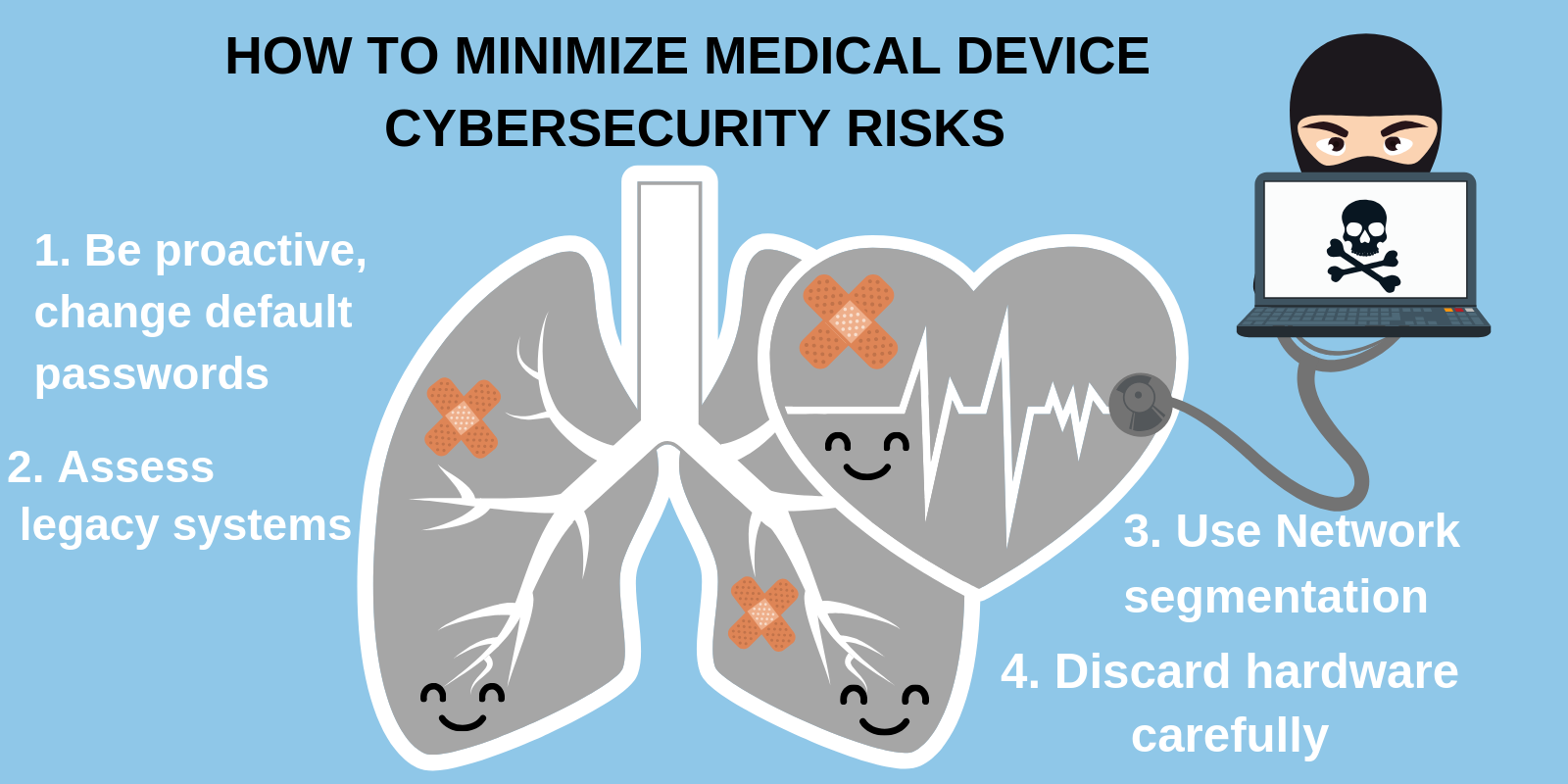
Cybersecurity has become one of the most urgent challenges in MedTech. Connected medical devices are now targets for cyberattacks that can compromise patient safety, clinical operations, and sensitive health data.
Why Cybersecurity Is a Quality Issue
In modern MedTech environments, cybersecurity failures can:
- Disrupt device functionality
- Expose protected health information
- Trigger recalls and regulatory enforcement
Recognizing this, the International Organization for Standardization and U.S. regulators increasingly expect cybersecurity to be addressed as part of overall product quality and risk management.
Integrating Cybersecurity with ISO 13485
Forward-thinking MedTech companies integrate cybersecurity controls into their ISO 13485-aligned processes by:
- Including cyber risk in design and development planning
- Conducting threat modeling alongside traditional risk analysis
- Maintaining secure software update and patch management processes
This integrated approach strengthens regulatory credibility and builds confidence with healthcare providers.

Supply Chain Innovation as a Compliance Strategy
Global supply chains have become both a strength and a vulnerability for MedTech companies. Component shortages, geopolitical risks, and supplier cybersecurity gaps can quickly disrupt production and compliance.
Beyond Supplier Qualification
ISO 13485 requires supplier evaluation, but modern supply chain risks demand deeper visibility. Innovative MedTech organizations now:
- Monitor supplier performance in real time
- Assess cybersecurity posture of critical vendors
- Diversify sourcing to reduce single-point failures
Digital Supply Chain Transparency
Advanced analytics, blockchain traceability, and AI-driven forecasting are helping companies predict disruptions before they occur. These tools support compliance, reduce downtime, and improve resilience—key advantages in a highly regulated market.
Regulatory Expectations Are Expanding
U.S. regulators increasingly view quality, cybersecurity, and supply chain management as interconnected responsibilities. Guidance documents and enforcement trends show growing scrutiny of:
- Software bill of materials (SBOMs)
- Post-market surveillance of cyber vulnerabilities
- Supplier risk management practices
MedTech companies that adopt a Beyond ISO 13485 mindset are better prepared for regulatory inspections and future policy changes.
Competitive Advantages of Going Beyond ISO 13485
Organizations that expand their approach gain measurable benefits:
| AreaStrategic Advantage | |
| Quality | Fewer recalls and faster approvals |
| Cybersecurity | Reduced breach risk and liability |
| Supply Chain | Greater resilience and continuity |
| Reputation | Increased trust with regulators and customers |
These advantages translate into stronger market positioning and long-term sustainability.
Frequently Asked Questions (FAQs)
1. Is ISO 13485 enough for U.S. MedTech compliance?
ISO 13485 is a strong foundation, but U.S. MedTech companies must also address cybersecurity, software validation, and evolving FDA expectations.
2. How does cybersecurity relate to quality management?
Cybersecurity failures can directly impact device safety and effectiveness, making them a core quality concern.
3. Do regulators expect cybersecurity controls in QMS?
Yes. Regulators increasingly expect cybersecurity risk management to be integrated into quality systems.
4. How can supply chain innovation improve compliance?
Greater visibility and predictive analytics help prevent disruptions that could lead to noncompliance or recalls.
5. What is the biggest risk of relying only on ISO 13485?
Overlooking emerging risks such as cyber threats and digital supply chain vulnerabilities.
6. Where should companies start when moving beyond ISO 13485?
Begin by aligning quality, IT, and supply chain teams around shared risk management and continuous improvement goals.
Conclusion: The Future of MedTech Compliance
In the United States, MedTech compliance is no longer defined by checklists alone. Beyond ISO 13485 represents a strategic evolution—one that aligns quality excellence with cybersecurity resilience and supply chain innovation.
Companies that embrace this integrated approach will not only meet regulatory expectations but also protect patients, strengthen trust, and position themselves for sustainable growth in an increasingly complex healthcare ecosystem.