Explore the most important medical device industry trends, including regulatory compliance, quality management systems, certifications, and market strategy as the global market is projected to exceed $1.2 trillion by 2035.

The medical device industry is entering a defining era. Rapid technological innovation, stricter regulations, and rising global healthcare demands are reshaping how companies design, manufacture, and commercialize medical technologies. With analysts projecting the market to exceed $1.2 trillion by 2035, success will increasingly depend on compliance, quality systems, and internationally recognized certifications.
This article explores the most influential medical device industry trends, focusing on regulatory expectations, quality management systems (QMS), and certification strategies that help organizations remain competitive while ensuring patient safety.
Global Medical Device Market Outlook: Growth Drivers and Challenges
The global medical device market is expanding due to several converging forces:
Key Growth Drivers
- Aging populations increasing demand for diagnostics, implants, and monitoring devices
- Chronic disease prevalence, including diabetes and cardiovascular conditions
- Digital health innovation, such as wearable devices and remote patient monitoring
- Emerging markets, where healthcare infrastructure investment is accelerating
Ongoing Challenges
Despite strong growth, manufacturers face notable obstacles:
- Regulatory complexity across regions
- Rising compliance costs
- Supply chain disruptions
- Increased scrutiny on device safety and performance
These challenges make quality management and regulatory compliance strategic priorities rather than administrative tasks.
Regulatory Compliance: A Cornerstone of the Medical Device Industry

Regulatory compliance remains one of the most critical medical device industry trends shaping market access and long-term viability.
Evolving Regulatory Expectations
Regulatory authorities worldwide are:
- Strengthening post-market surveillance
- Demanding greater clinical evidence
- Requiring enhanced risk management documentation
For manufacturers, compliance is no longer a one-time milestone but a continuous lifecycle responsibility.
Regional Regulatory Landscape
- United States: Emphasis on safety, effectiveness, and quality system controls
- European Union: More rigorous clinical evaluations and traceability requirements
- Asia-Pacific: Rapid regulatory modernization aligned with global standards
Organizations that proactively adapt to regulatory updates reduce approval delays and minimize costly recalls.
Quality Management Systems (QMS): From Requirement to Competitive Advantage
A robust Quality Management System (QMS) forms the backbone of medical device compliance and operational excellence.
Why QMS Matters More Than Ever
Modern QMS frameworks help manufacturers:
- Ensure product consistency and safety
- Improve operational efficiency
- Demonstrate compliance during audits
- Build trust with regulators and customers
Quality failures can lead to recalls, reputational damage, and lost market share—making QMS a business-critical investment.
Key Elements of an Effective QMS
- Documented procedures and controls
- Risk management integration
- Supplier qualification and oversight
- Continuous improvement mechanisms
Forward-thinking companies treat QMS as a strategic asset, not just a regulatory obligation.
Certifications Shaping the Future of Medical Devices
Certifications are essential for global market access and stakeholder confidence in the medical device sector.
Most Important Medical Device Certifications
- ISO 13485 – International standard for medical device quality management systems
- CE Marking – Required for medical device commercialization in European markets
- Product-Specific Certifications – Based on device classification and risk level
Business Benefits of Certification
Certified organizations often experience:
- Faster regulatory approvals
- Improved supplier and partner confidence
- Stronger brand credibility
- Reduced compliance risks
As global regulations converge, certification alignment is becoming a key growth enabler.
Digital Transformation in MedTech Quality and Compliance
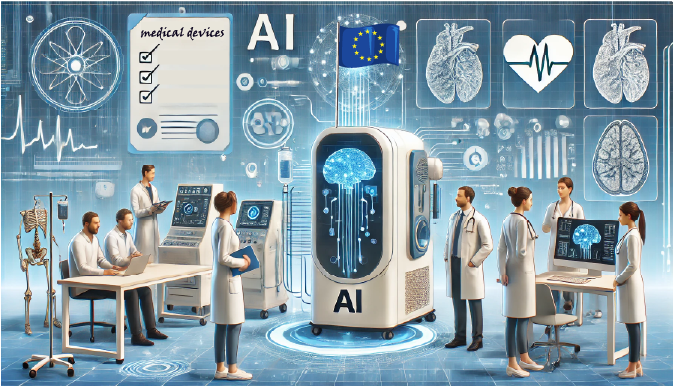
Digital transformation is redefining how medical device companies manage quality and compliance.
Key Digital Trends
- Electronic QMS (eQMS) replacing manual documentation
- AI-driven analytics for risk detection and process optimization
- Software as a Medical Device (SaMD) expanding rapidly
While digital tools improve efficiency, they also introduce new compliance requirements, particularly around data security, validation, and cybersecurity.
Market Strategy: Aligning Innovation with Compliance
To succeed in a trillion-dollar market, innovation must be aligned with regulatory and quality expectations.
Strategic Best Practices
- Integrate regulatory teams early in product development
- Design products with compliance in mind from day one
- Invest in employee training and quality culture
- Monitor regulatory trends proactively
Companies that balance speed, innovation, and compliance are better positioned for sustainable growth.
FAQs: Medical Device Industry Trends
1. Why is compliance so important in the medical device industry?
Compliance ensures patient safety, regulatory approval, and long-term market access while reducing legal and financial risks.
2. What certifications are most important for medical device manufacturers?
ISO 13485 and region-specific certifications like CE marking are among the most critical.
3. How does quality management impact market success?
A strong QMS improves product reliability, reduces recalls, and builds trust with regulators and customers.
4. Is digital health increasing regulatory complexity?
Yes. Digital devices require additional validation, cybersecurity controls, and ongoing monitoring.
5. How can small MedTech companies stay compliant?
By adopting scalable QMS tools, seeking expert guidance, and integrating compliance early in development.
6. Will regulations become stricter by 2035?
Most indicators suggest increased scrutiny, especially for high-risk and software-driven medical devices.
Conclusion: Preparing for a Trillion-Dollar Medical Device Future
The medical device industry is on a path toward unprecedented growth, but success will depend on more than innovation alone. Compliance, quality management systems, and globally recognized certifications are becoming central to competitive strategy.
Organizations that invest early in regulatory readiness, digital quality tools, and certification alignment will be best positioned to thrive in a market expected to exceed $1.2 trillion by 2035—while delivering safer, more effective healthcare solutions worldwide.